Your garage door remote is one of the most convenient tools in your home, allowing you to open and close your garage door without leaving your vehicle. However, like any electronic device, remotes can malfunction, lose range, or simply stop working over time. When this happens, you may need to replace your garage door remote to restore convenience, security, and safety. Understanding the process, options, and proper programming steps ensures your new remote works reliably for years to come.
1. Recognizing the Signs That You Need a Replacement
Before replacing your garage door remote, it's important to identify whether the problem truly lies with the remote itself or another component of your garage door system. Signs that you may need a new remote include:
- Remote no longer responds when buttons are pressed.
- Reduced operating range, requiring you to be very close to the garage door for it to work.
- Buttons sticking or becoming unresponsive.
- Remote intermittently working, suggesting internal circuitry issues.
- Physical damage to the remote, such as cracks or broken buttons.
It's also important to check the batteries before deciding to replace the remote. Often, a simple battery replacement restores functionality. If the remote continues to fail after changing batteries, it is likely time for a replacement.
2. Determining the Type of Remote You Need
Garage door remotes come in several types, and selecting the correct one is crucial. The main factors to consider include:
- Compatibility: Ensure the new remote is compatible with your garage door opener brand and model.
- Frequency: Modern remotes operate on fixed or rolling code frequencies. Check your opener's requirements before purchasing a replacement.
- Number of Buttons: Some remotes allow operation of multiple doors. Choose one that fits your needs.
- Features: Advanced remotes may include smart connectivity, battery-saving features, or LED indicators.
Checking your opener's manual or manufacturer's website can help confirm which remote types are compatible and which features are supported.
3. Choosing Between Universal and Original Manufacturer Remotes
When replacing a garage door remote, homeowners often have two options: a universal remote or a remote from the original manufacturer. Each has advantages and considerations:
- Universal Remotes: Can work with multiple brands and models. They are convenient if you have more than one garage door or an older system. Programming may be slightly more complex.
- Original Manufacturer Remotes: Designed specifically for your opener model. Often easier to program and guaranteed compatible with all features of your system.
Your choice depends on your system requirements, convenience, and whether you plan to control multiple doors with the same remote.
4. Programming Your New Garage Door Remote
After obtaining the correct replacement remote, programming it to work with your garage door opener is the next step. Most modern garage door openers use either fixed code or rolling code technology. Here's a general overview:
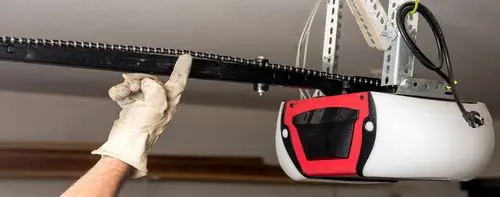
- Locate the "Learn" or "Program" button on your garage door opener motor unit, usually found on the back or side of the opener.
- Press and release the "Learn" button. An indicator light may blink to show the opener is in programming mode.
- Within 30 seconds, press the button on the new remote that you want to program.
- Observe the opener light or listen for a click to confirm programming was successful.
- Test the remote to ensure the garage door opens and closes smoothly.
Always refer to your opener's manual for exact programming instructions, as steps may vary by manufacturer and model. Some universal remotes require additional steps or code input to sync properly.
5. Maintaining Your Garage Door Remote
Once your remote is working correctly, maintaining it ensures longevity and reliable performance. Recommended maintenance tips include:
- Replace batteries regularly to prevent weak signals.
- Keep the remote clean and free from moisture or debris.
- Store it in a secure place to prevent drops or physical damage.
- Test the remote periodically to ensure consistent operation.
Proper maintenance can extend the life of your remote and reduce the likelihood of needing frequent replacements.
6. Troubleshooting Common Remote Issues
Even after replacement, remotes can occasionally encounter issues. Here are common problems and solutions:
- Remote Not Working at All: Check the batteries, ensure correct programming, and confirm that the opener is functioning.
- Reduced Range: Replace batteries, remove interference from nearby devices, and check that antennas on the opener are properly positioned.
- Intermittent Operation: Ensure buttons are not sticking and that there is no damage to internal circuitry.
If issues persist, consulting a professional garage door technician can identify any underlying problems with the opener system or remote compatibility.
7. Security Considerations When Replacing a Remote
Replacing a garage door remote also provides an opportunity to enhance security. Consider the following:
- If you have lost the old remote, reprogram the opener to prevent the lost remote from operating your door.
- Upgrade to a rolling code remote if your current system uses a fixed code. Rolling codes prevent unauthorized access by changing the code after each use.
- Ensure that only trusted individuals have access to your new remote.
These precautions help safeguard your home and prevent unauthorized access through your garage door.
8. Smart Garage Door Remotes
Modern technology offers smart garage door remotes that can integrate with your smartphone or home automation system. Benefits of smart remotes include:
- Remote control from anywhere using an app.
- Notifications when the door is opened or closed.
- Compatibility with smart home systems and voice assistants.
Replacing your remote with a smart version can enhance convenience and improve overall security. Installation and setup may require connecting to your home Wi-Fi network and following the app's instructions carefully.
9. When to Consult a Professional
While replacing a garage door remote is often straightforward, there are times when professional assistance is advisable:
- Opener malfunctions that prevent programming.
- Multiple remotes or doors that require synchronization.
- Older systems where compatibility with new remotes is unclear.
- Persistent issues after multiple programming attempts.
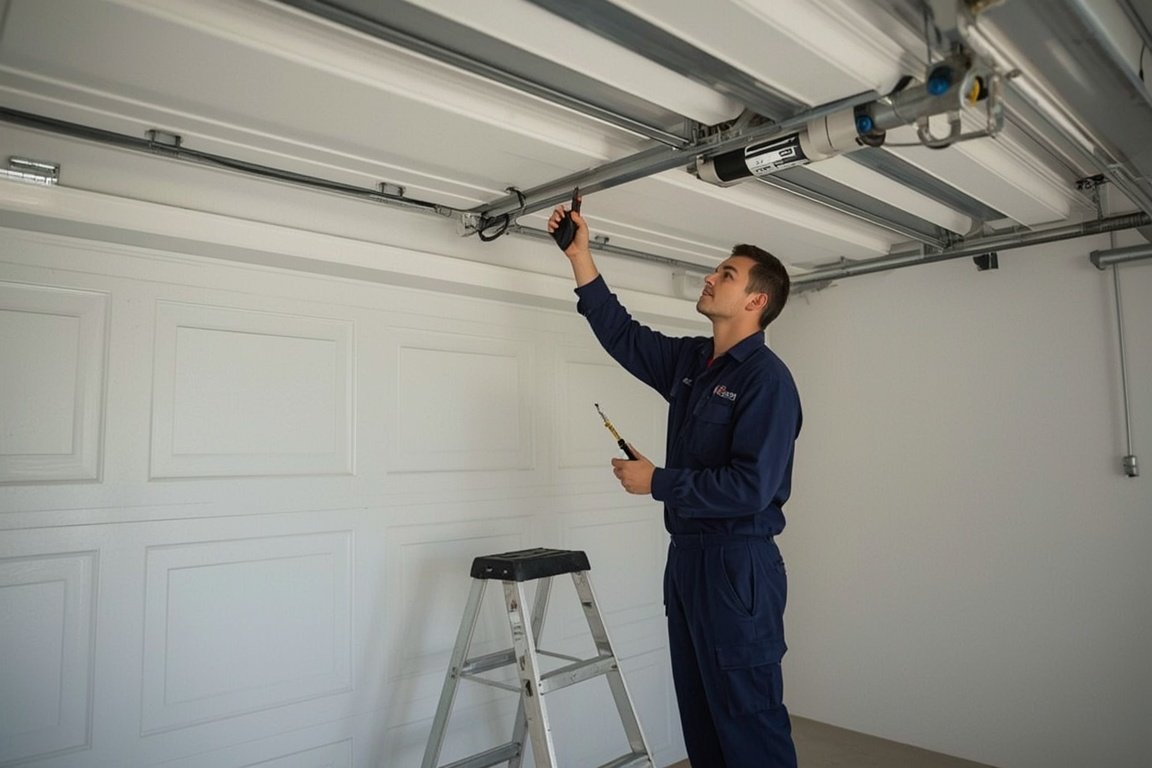
A qualified garage door technician can ensure proper installation, programming, and integration of the new remote, providing peace of mind and reliable operation.
10. Final Thought
Replacing your garage door remote may seem like a small task, but it plays an essential role in maintaining the convenience, security, and smooth operation of your garage door. Start by identifying the signs that a replacement is needed, select a compatible remote, and carefully follow programming instructions. Maintaining the remote, troubleshooting common issues, and considering security enhancements further ensure long-term reliability.
Whether you choose a standard replacement, a universal remote, or a modern smart device, taking the time to select the right option and properly program it protects your home and simplifies daily life. Consulting a professional technician when needed ensures that your garage door system operates efficiently and safely, providing convenience and peace of mind for you and your family.
Skip the YouTube rabbit hole - we'll have a tech at your door same day across Broward, Dade and Palm Beach.