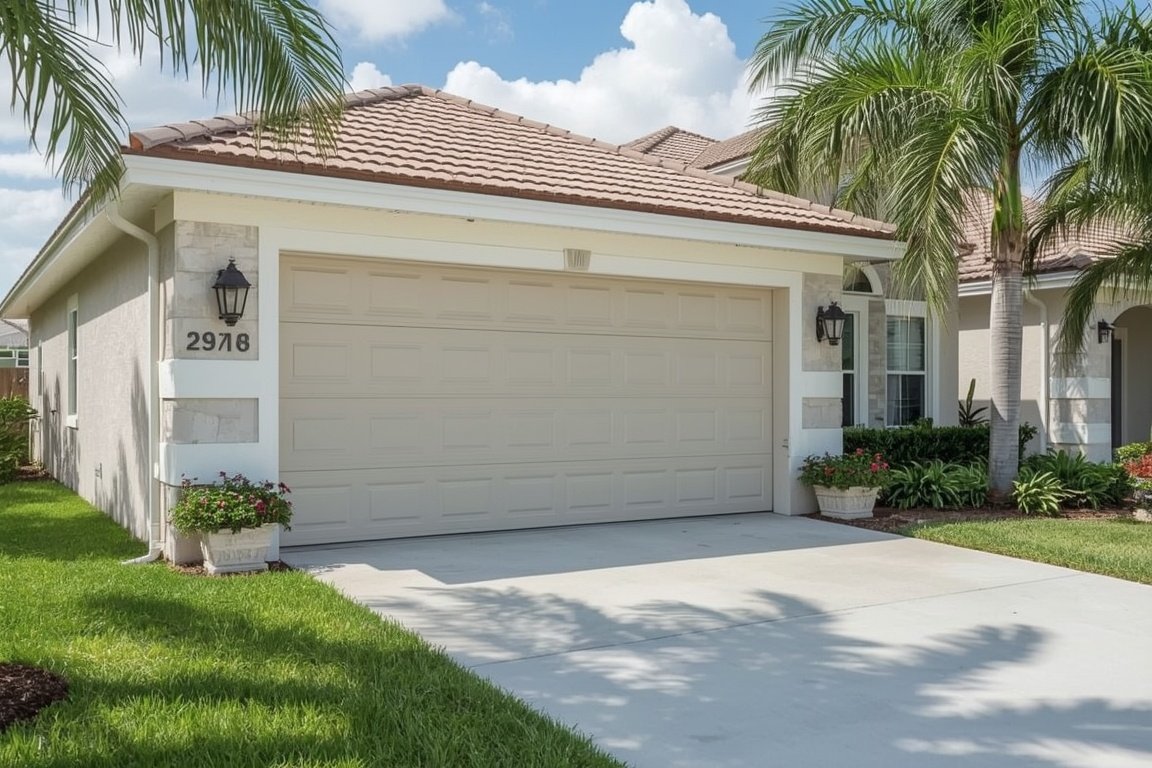
Your garage door is one of the hardest-working parts of your home. It opens and closes hundreds of times every year, protecting your vehicles, tools, and belongings from weather and theft. Over time, however, wear and tear begin to show. Springs weaken, panels rust, rollers squeak, and the door may no longer look or operate as smoothly as it once did.
If your garage door is more than 15 - 20 years old, you might start wondering whether it's time to repair it, upgrade parts, or replace it entirely. In this guide, we'll walk through the signs of an aging garage door, your repair and replacement options, and how to make the smartest decision for your home and budget.
1. Signs That Your Garage Door Is Aging
Garage doors are designed to last many years, but constant use and exposure to the elements eventually take their toll. Here are some common signs that your door is showing its age:
- Visible wear and tear: Rusted panels, faded paint, cracks, or dents that affect the door's appearance.
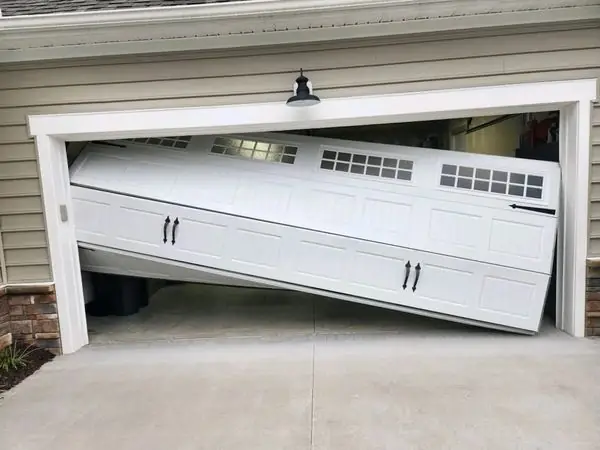
- Slow or uneven movement: The door moves jerkily, hesitates, or struggles to open fully.
- Excessive noise: Loud grinding, squeaking, or popping sounds during operation.
- Frequent breakdowns: You find yourself calling for repairs more often than before.
- Poor insulation: Cold drafts or heat entering your garage due to worn seals or outdated door materials.
- Outdated safety features: Older models may lack modern sensors or auto-reverse mechanisms.
If you notice several of these issues, your door is likely nearing the end of its service life and deserves attention.
2. Evaluate the Condition of Your Door
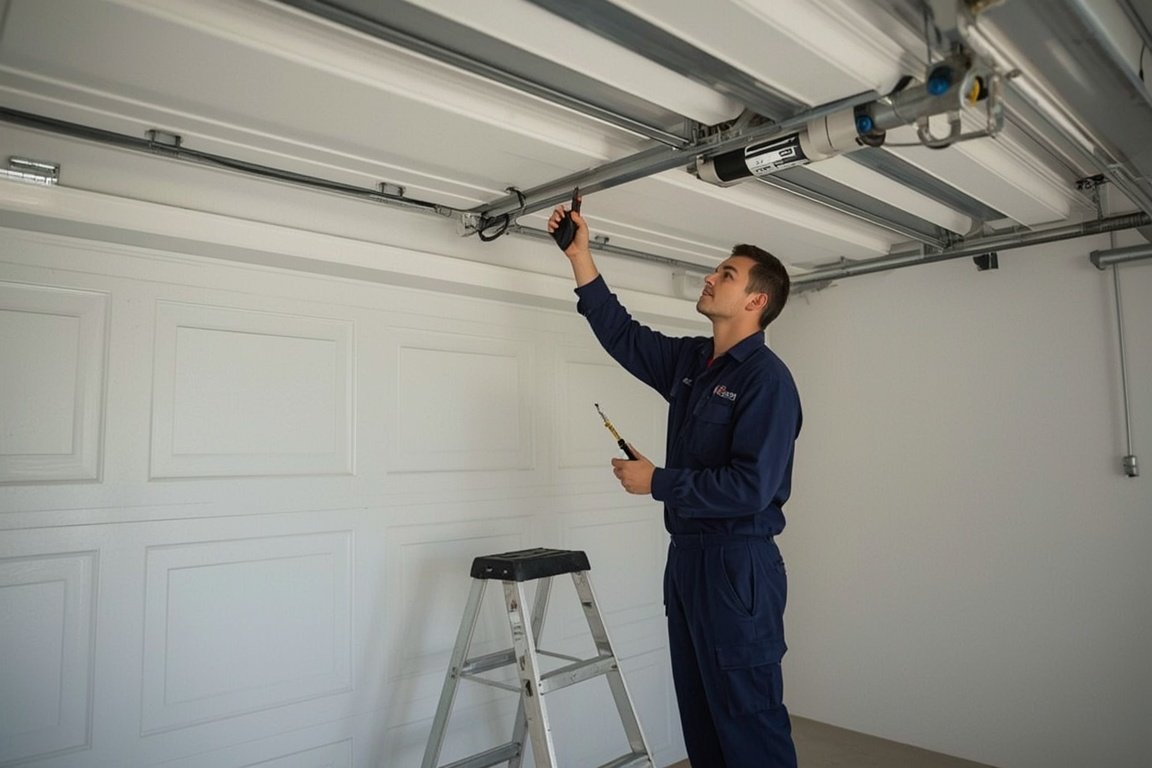
Before deciding on repairs or replacement, inspect your garage door carefully - or better yet, have a professional technician do it. Look for signs of damage in both visible and hidden components.
- Check the springs, rollers, and cables for corrosion or fraying.
- Examine the panels for warping, cracking, or rot (especially on wooden doors).
- Test the door balance by manually lifting it halfway - if it drops or rises on its own, it's unbalanced.
- Inspect weather seals and insulation to ensure they still block air and water effectively.
A professional inspection can give you a clear picture of which parts are still in good shape and which need attention.
3. Repair or Replace: Making the Right Choice
When dealing with an old garage door, the big question is whether to repair it or replace it altogether. Here's how to decide:
When to Repair:
- The damage is minor (e.g., one or two panels or a broken spring).
- The door is less than 10 - 15 years old and generally in good shape.
- Repairs cost less than 30 - 40% of the price of a new door.
When to Replace:
- The door is over 15 - 20 years old.
- Repairs are frequent or expensive.
- The door lacks safety features or insulation.
- You want to upgrade your home's curb appeal or energy efficiency.
In most cases, if your door is old, inefficient, and breaking down often, replacement is the smarter long-term investment.
4. Benefits of Replacing an Old Garage Door
Installing a new garage door offers several advantages that go beyond simply fixing an old one:
- Improved safety: Modern doors come with advanced sensors, auto-reverse systems, and pinch-resistant designs.
- Energy efficiency: New doors have better insulation and sealing, keeping your garage comfortable year-round.
- Enhanced curb appeal: A stylish new door instantly upgrades your home's appearance and value.
- Quieter operation: Modern systems use smoother rollers and quieter motors.
- Increased reliability: With new parts and balanced mechanisms, you can expect years of trouble-free operation.
Replacing your old door also boosts your home's resale value - many real estate experts say it's one of the best returns on investment for exterior upgrades.
5. Cost Considerations
The cost of garage door replacement varies depending on size, material, insulation level, and design. However, it's important to view this as an investment rather than an expense. A new door can last 20 - 30 years with proper maintenance and often includes a labor warranty.
If your current door needs frequent repairs, adding up those costs might surprise you - it often ends up more expensive than a one-time replacement.
6. Common Upgrade Options
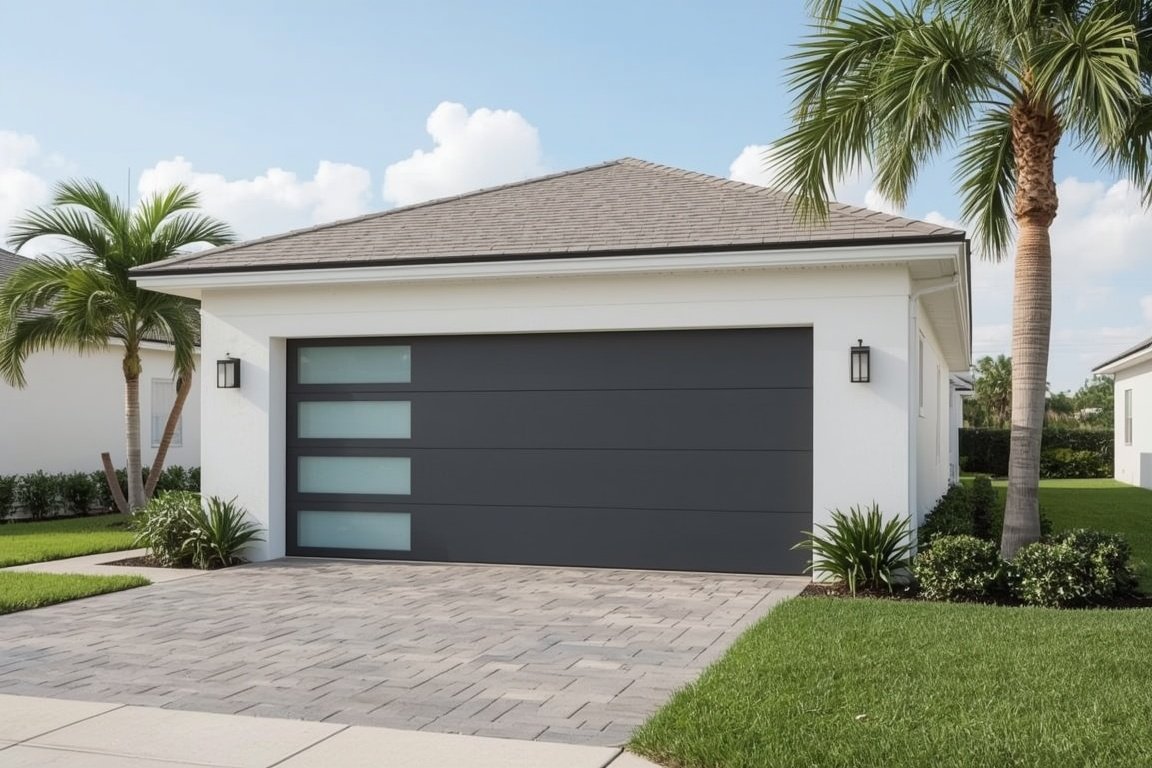
If you decide to replace your garage door, you'll find many modern options that improve performance and appearance:
- Insulated steel doors: Durable and energy-efficient, ideal for extreme climates.
- Composite or wood-look doors: Offer a classic aesthetic with low maintenance.
- Smart openers: Allow remote control and monitoring through your smartphone.
- Windows and decorative panels: Add natural light and visual appeal.
- Custom colors and finishes: Match your home's architecture for a cohesive look.
Consult a professional installer to explore the best materials and designs that fit your home and budget.
7. Maintenance Tips to Extend Your Door's Life
If your current door is still functioning safely and you're not ready for replacement, regular maintenance can help extend its life. Follow these steps:
- Lubricate rollers, hinges, and springs every few months with a silicone-based lubricant.
- Tighten loose bolts and screws to reduce vibration and noise.
- Clean tracks and panels to prevent rust or dirt buildup.
- Inspect weather seals annually and replace them if they're cracked or brittle.
- Test safety sensors and auto-reverse functions regularly.
Scheduling annual maintenance with a garage door professional can also help catch small issues before they turn into big repairs.
8. Safety Considerations
Older garage doors may not meet modern safety standards. For example, before 1993, many doors lacked photo-eye sensors that detect objects in the door's path. If your system is missing this feature or the auto-reverse isn't functioning properly, it's time to upgrade immediately for safety reasons.
Note: Never attempt to adjust high-tension springs or cables on your own. These components can cause severe injury if handled incorrectly. Always call a professional technician for repairs involving springs or balancing.
9. Environmental and Energy Impact
Modern garage doors are designed with better insulation and sealing materials, reducing energy loss through the garage - especially if it's attached to your home. This helps lower heating and cooling costs while maintaining comfort. Additionally, many new doors are made from recyclable or sustainable materials, making them an eco-friendly upgrade.
10. Professional Assessment and Installation
Whether you're repairing or replacing, always consult a licensed garage door technician. Professionals can assess the door's condition, recommend the right solution, and ensure the installation meets all safety and performance standards.
- They measure and balance the door correctly.
- They ensure springs, tracks, and openers work together safely.
- They provide warranties and post-installation support.
DIY installation might save short-term money but can lead to long-term issues like poor alignment, uneven lifting, or safety risks.
Conclusion
An aging garage door doesn't have to become a constant source of frustration. Whether you decide to repair, maintain, or replace it, taking action early can save you money and ensure safety. Modern garage doors offer better performance, efficiency, and style, making them a worthwhile investment in your home's comfort and value.
If your garage door is more than 15 years old, squeaks often, or lacks essential safety features, it's time to schedule an inspection with a trusted garage door professional. With the right guidance, you can enjoy a smoother, quieter, and more reliable garage door for years to come.
Tip: For the best results, choose a licensed, insured, and locally reviewed garage door company. Regular inspections and maintenance can help you get the most out of your investment.
Skip the YouTube rabbit hole - we'll have a tech at your door same day across Broward, Dade and Palm Beach.