When a garage door refuses to open it's frustrating, inconvenient, and sometimes worrying. Fortunately, many causes are straightforward and can be diagnosed with a few simple checks. This guide walks you through the most common reasons a garage door won't open, step-by-step troubleshooting, basic fixes you can try safely, and when to call a professional. Read this in order - start with the easy checks and move to the more technical items only if necessary.
Quick safety note before you start
Safety first. Garage doors are heavy and contain springs and cables under high tension. Do not attempt to repair springs, cables, or motor internals unless you are trained and have the correct tools. If you see broken springs, snapped cables, or a severely bent track, stop and call a qualified technician.
1. Basic checks (the quick wins)
Before you open anything or touch the opener, run through these basic checks. They fix a surprising number of problems.
- Power to the opener: Is the opener plugged in? Check the outlet and any nearby switches. Try another device in the outlet to confirm it has power.
- Remote battery: Replace the remote control battery. Remotes are small and batteries die often.
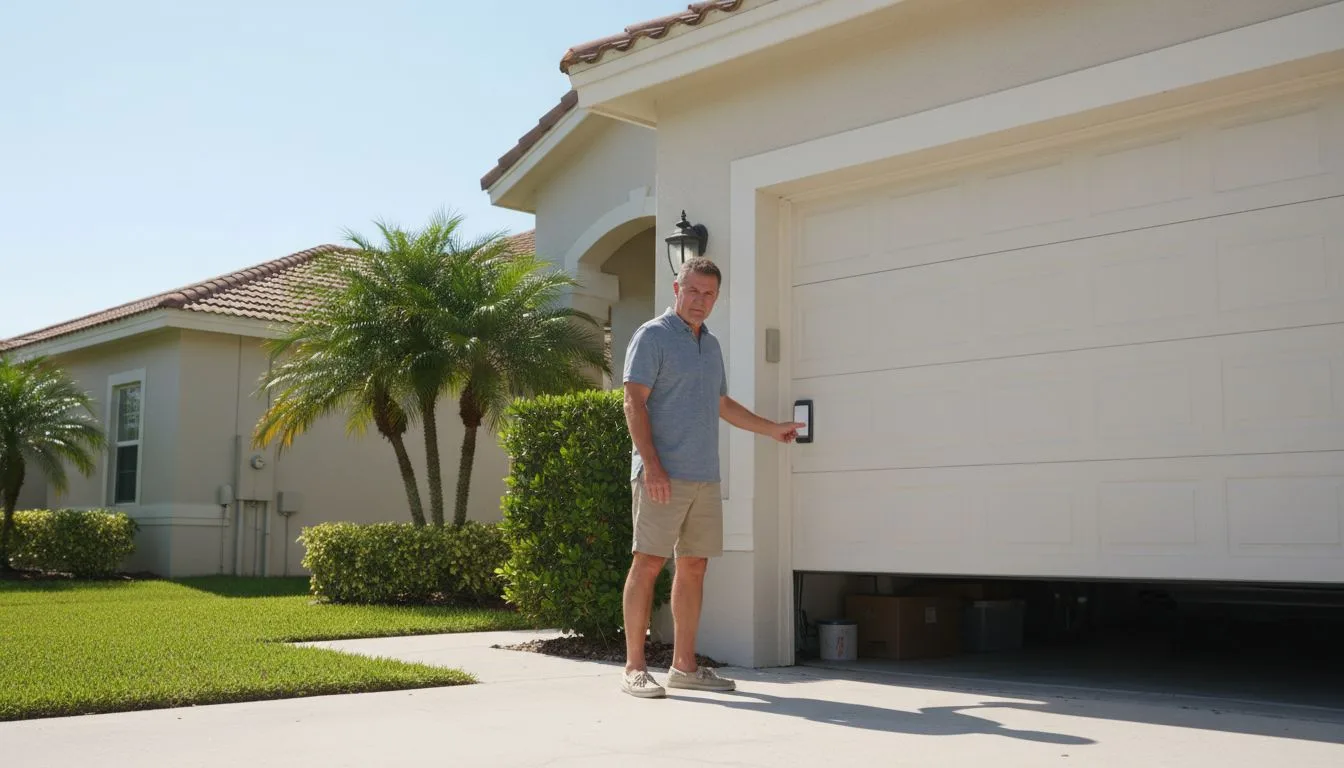
- Wall switch: Try the wall-mounted button inside the garage. If the wall switch works but the remote doesn't, the issue is likely the remote or its battery.
- Lock mode or vacation mode: Some openers have a lock or "vacation" feature that disables remotes. Look for a switch on the wall control or instructions printed on the opener head.
- Photo-eye obstruction: Check the safety sensors (photo eyes) near the bottom of the door tracks. If they are blocked, misaligned, or covered in dirt, the opener may refuse to close or open. Clear obstructions and wipe the lenses gently.
- Remote range and interference: Move closer to the opener and try again. Avoid operating near strong wireless equipment like routers or cordless phones to rule out interference.
2. Listen and watch for clues
How the opener behaves when you press the button gives valuable clues.
- Nothing happens: No sound from the opener usually points to a power issue, a tripped breaker, or a failed motor.
- Opener hums but door doesn't move: The motor may be running but the opener isn't engaging the door drive (broken belt, chain issue, or disconnected carriage). Look for the emergency release being disengaged.
- Opener moves slightly then stops: Limit switches, safety sensors, or a force adjustment may be preventing movement.
- Door opens partway then reverses: Something is blocking the travel path or the force/limit settings are incorrect. Also check the sensors and track obstructions.
3. Manual release and test
Every garage door opener has a manual release (usually a red cord hanging from the opener trolley). Use this to disconnect the door from the opener and test manual operation.
- Pull the manual release while the door is closed. This disengages the opener.
- Manually lift the door. It should move smoothly and stay open at any point. If it's hard to lift, jerky, or falls, the springs may be broken or out of balance - do not attempt spring repair yourself.
- If the door opens easily by hand, the issue is likely the opener or its drive mechanism.
If the door won't move by hand, do not force it. Heavy doors with broken springs are dangerous. Call a technician.
4. Common mechanical problems
Some mechanical problems prevent operation even when the opener is fine.
- Broken springs: Torsion or extension springs do the heavy lifting. If either breaks, the door will be very hard to open manually and the opener may not be able to lift it. Broken springs require professional replacement.
- Broken or frayed cables: Cables attached to the springs/roller drums are under tension. Frayed or snapped cables are dangerous and need immediate professional attention.
- Damaged or bent tracks: If tracks are bent, the rollers can bind and stop the door. Small dents can sometimes be tapped out carefully, but severe damage means a pro should realign or replace the track.
- Loose or missing hardware: Nuts, bolts, and brackets can loosen over time. Tightening loose hardware often restores smooth operation.
- Roller issues: Worn or seized rollers cause rough movement. Nylon rollers are quieter and more durable; metal rollers may wear faster.
5. Opener-specific problems
If the door moves manually but won't work with the opener, focus on the motor unit and drive components.
- Belt or chain drive problems: Belts can break, chains can become loose, and both can derail the carriage or prevent engagement. Inspect the drive for obvious damage.
- Gear or sprocket wear: Plastic or metal gears inside openers wear out with use. A worn gear may allow the motor to run while the door doesn't move. Replacing the gear assembly often fixes the issue.
- Opener motor failure: Motors can burn out or suffer electrical faults. If the unit makes a humming noise but won't move the door, the motor may be failing.
- Limit and force settings: Openers have limits that tell the unit where to stop. If these are wrong, the opener may stop before fully opening. Adjusting limits requires following the opener manual.
- Control board or wiring faults: Corrosion, rodent damage, or loose wiring can prevent signals from reaching the motor. Inspect visible wiring for damage.
6. Safety sensors and reversing systems
Modern doors include safety features that will prevent operation if sensors detect a problem.
- Sensor alignment: The two photo-eye sensors must be aligned. If one blinks or the LED is off, gently adjust them until they face each other and the LED remains steady.
- Sensor wiring: Damaged wiring or loose connections can cause intermittent failures. Inspect sensor cables and connectors.
- Obstruction detection: Small objects, debris, or even spiders on the sensors can stop the door. Clear the area and clean the lenses.
7. Seasonal and environmental causes
Weather and temperature changes can affect operation.
- Cold weather: Lubricants thicken and metal parts contract in winter, making movement stiffer. Use a manufacturer-recommended lubricant and keep moving parts maintained.
- Snow and ice: Ice buildup at the base or in the track can block movement. Clear ice carefully and avoid running the opener until the obstacle is removed.
- Humidity and rust: Corrosion can seize rollers, tracks, and hinges. Regular inspection and lubrication prevent corrosion.
8. Simple maintenance to prevent problems
Routine maintenance prevents most failures and keeps the door operating smoothly.
- Clean and lubricate rollers, hinges, and bearings every 6 - 12 months (use products recommended for garage doors).
- Tighten loose nuts and bolts as they appear.
- Test the balance of the door once per year (disconnect opener and lift the door halfway; it should stay in place). If it doesn't, the springs may need adjustment.
- Test reversing sensors monthly: place an object in the path and check that the door reverses.
- Replace worn weather seals at the base to prevent water and debris buildup.
9. When to call a professional
Some issues must be handled by a trained technician for safety and proper repair:
- Broken springs or cables.
- Severely bent or damaged tracks.
- Smoke, burning smell, or signs of electrical failure from the opener.
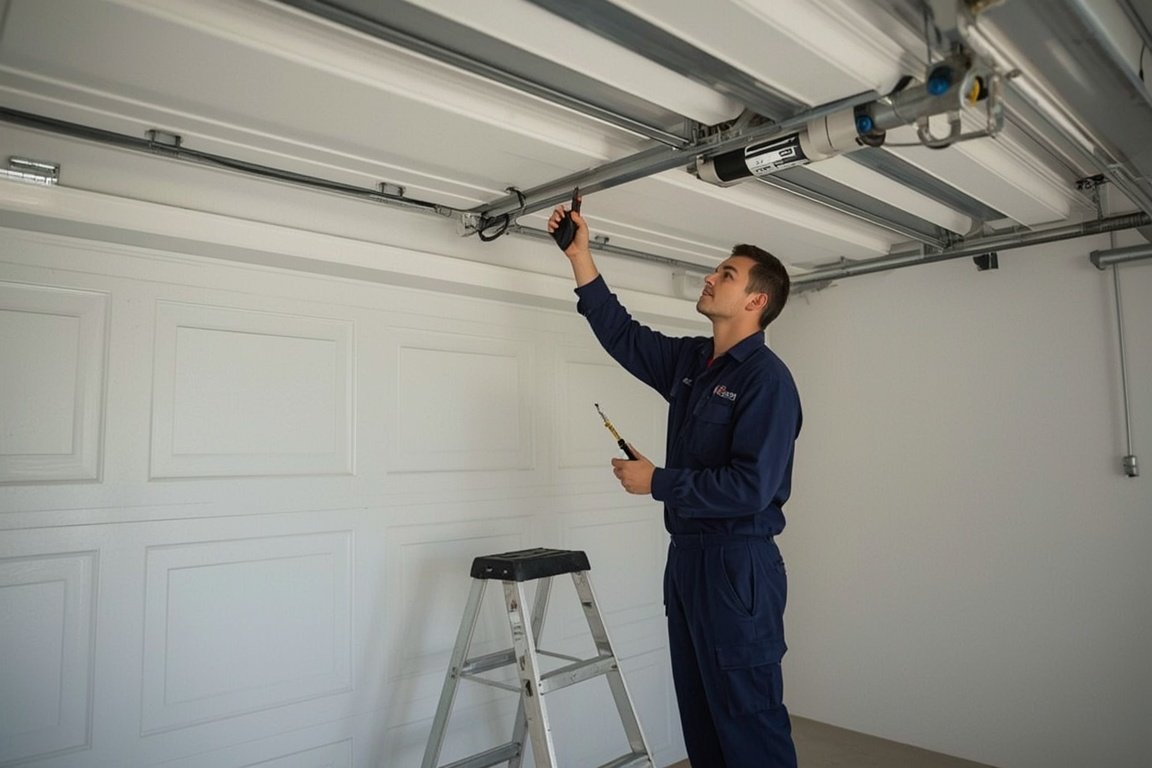
- Complex opener repairs like motor replacement or gear assembly inside the unit.
- Door that is off the track or appears unstable.
A reputable technician will inspect springs, cables, rollers, tracks, and the opener, provide a diagnosis, and offer a written estimate before work begins.
10. Cost considerations
Repair costs vary widely depending on the problem and region. Typical ranges:
- New remote battery or small parts: low cost.
- Opener motor or gear repair: moderate to high (varies by parts and labor - call for a quote).
- Spring replacement: moderate (varies based on scope for parts and labor for one or two springs, depending on type).
- Track or door panel replacement: higher (can run more for severe damage or full door replacement).
Prices are approximate. Always request a written quote and compare a couple of local service providers.
11. Final checklist - quick troubleshooting flow
- Check power and outlet, reset breaker if needed.
- Try wall switch and replace remote battery.
- Inspect safety sensors and clear lens obstructions.
- Pull manual release and test door manually (do not force if heavy).
- Listen for motor sounds - humming, clicking, or silence give clues.
- Look for visible damage: springs, cables, tracks, rollers.
- If problem persists or you see broken springs/cables, call a professional.
Conclusion
A garage door that won't open is often caused by simple issues like power loss, dead remote batteries, or misaligned sensors. Many of these can be fixed quickly with basic troubleshooting. However, more serious problems such as broken springs, snapped cables, or motor failure require a trained technician for safe repair. Regular maintenance is the best defense against unexpected failures. Follow simple inspection and lubrication routines, address small issues early, and keep emergency contact details for a trusted garage door service handy.
Note: If you are unsure about any step, especially those involving springs, cables, or heavy parts, don't risk injury - contact a qualified technician.
Skip the YouTube rabbit hole - we'll have a tech at your door same day across Broward, Dade and Palm Beach.