In modern construction, overhead doors are crucial elements of both residential and commercial buildings. They are designed to provide security, ease of access, and aesthetic appeal, while also withstanding environmental forces. Among these forces, wind is one of the most critical factors affecting the durability and safety of overhead doors. Wind pressure can cause deformation, structural failure, or even complete door collapse if the door is not properly designed or installed. This makes wind resistance a key consideration in the selection and installation of sectional and external overhead roller doors.
This article explores the wind resistance characteristics of sectional and external overhead roller doors, discussing their structural differences, testing standards, factors affecting performance, and practical design considerations.
1. Understanding Overhead Doors
Overhead doors are types of doors that open vertically or roll upwards to provide access to garages, warehouses, or industrial spaces. They are designed to maximize space efficiency and provide protection from the elements. Overhead doors are primarily of two types: sectional doors and external roller doors.
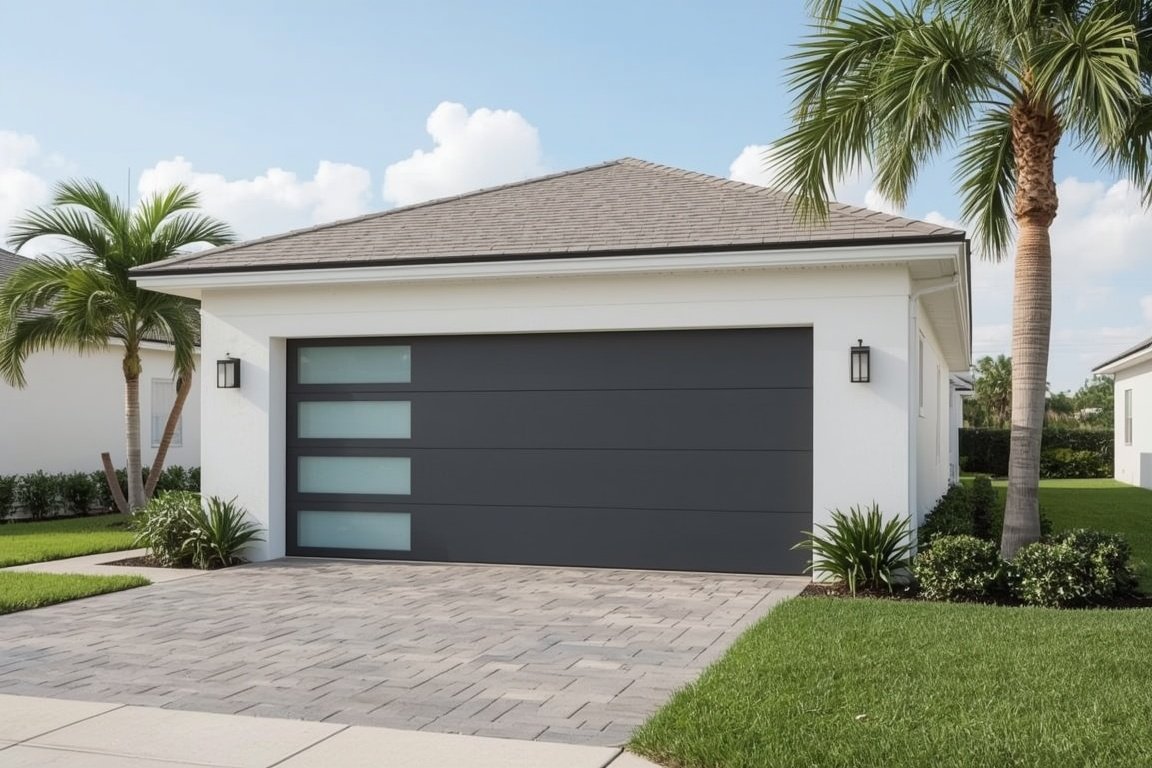
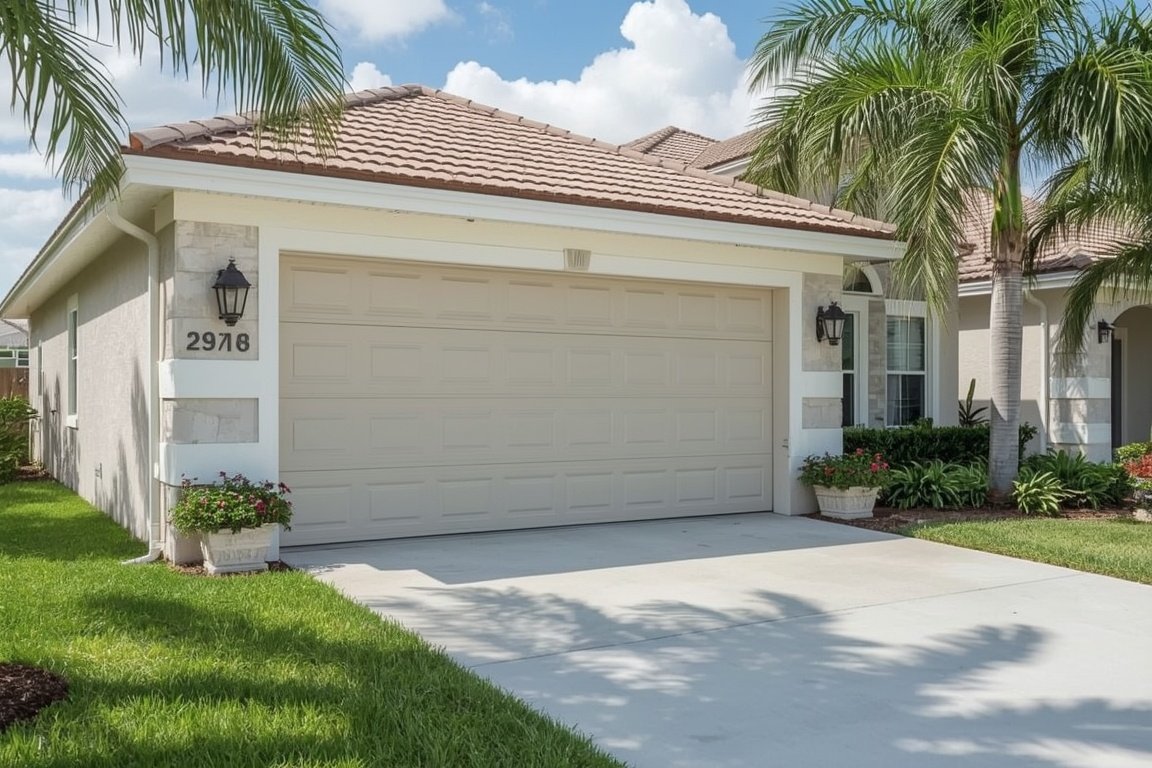
- Sectional Doors: These doors are made of horizontal panels connected with hinges. The panels slide along tracks that curve upward and sit parallel to the ceiling when fully open. Sectional doors are often insulated, providing thermal efficiency as well as protection against environmental forces like wind and rain.
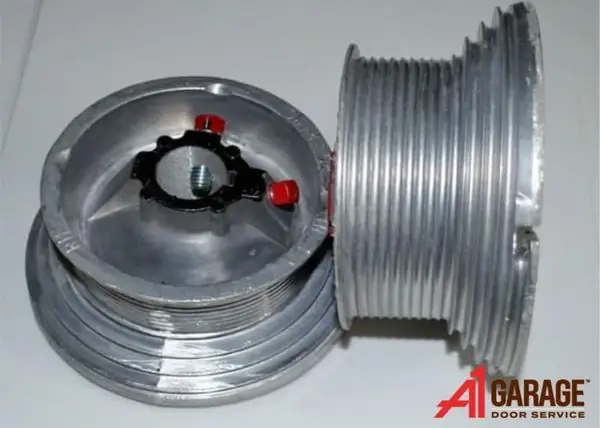
- External Roller Doors: Also known as roll-up doors, these doors consist of a single continuous curtain made of steel or aluminum slats that roll around a drum above the doorway. They are widely used in commercial and industrial settings due to their durability and space-saving design. Unlike sectional doors, external roller doors remain outside the building when closed, which exposes them directly to wind loads.
Both types of doors have unique advantages and challenges concerning wind resistance.
2. Importance of Wind Resistance
Wind resistance is the ability of a door to withstand lateral wind forces without experiencing structural damage or operational failure. Wind can apply pressure or suction on the door surface, depending on direction and speed, which may lead to:
- Deformation of door panels - causing gaps, misalignment, or difficulty in operation.
- Damage to guides and tracks - weakening the overall structure.
- Failure of locking mechanisms - compromising security.
- Potential safety hazards - including sudden collapse or detachment.
Buildings in regions prone to high wind speeds, such as coastal areas or open landscapes, require doors with enhanced wind resistance to prevent costly damage and ensure safety.
3. Wind Load Standards and Testing
Wind resistance of overhead doors is measured according to national and international standards. These standards provide uniform guidelines for testing door strength against wind pressures of varying intensities. Some widely recognized standards include:
- AS 4505 (Australia): Specifies performance requirements for roller doors subjected to wind pressure.
- EN 12424 (Europe): Provides testing methods for external doors, including wind load resistance.
- ASTM E330 (USA): Evaluates structural performance under uniform static air pressure.
Testing typically involves subjecting the door to incremental wind pressure in a controlled environment until deformation, operational failure, or structural failure occurs. The door is then rated according to its maximum sustainable wind load, usually expressed in pascals (Pa) or pounds per square foot (psf).
4. Structural Differences Affecting Wind Resistance
The wind resistance of overhead doors is largely influenced by their structural design. Sectional doors and external roller doors respond differently to wind loads due to variations in panel design, frame support, and installation configuration.
Sectional Doors
Sectional doors consist of multiple panels connected by hinges. This segmented design distributes wind pressure along the door's surface, reducing the likelihood of deformation. Key factors contributing to wind resistance include:
- Panel thickness and material: Thicker, reinforced steel panels offer higher rigidity. Insulated panels can add stiffness, improving resistance.
- Track system: Properly installed vertical and horizontal tracks guide panels smoothly and prevent buckling under wind pressure.
- Seals and weatherstrips: These reduce wind infiltration, which can create suction forces on the door.
- Hinges and connections: Strong hinges help maintain panel alignment and prevent separation under wind loads.
Sectional doors are generally installed inside the building line, which partially shields them from direct wind impact, enhancing their resistance compared to external roller doors.
External Roller Doors
External roller doors are installed outside the building and consist of interlocking slats rolling around a drum. While they save internal space and are relatively simple in operation, their wind resistance can be challenging due to:
- Large, uninterrupted surface area - Wind pressure is applied directly across the entire curtain, creating higher stress.
- Curtain flexibility - Thin slats may bend or bow under strong wind.
- Side guides and bottom rails - Weak guides can allow lateral movement, reducing stability.
- Exposure - Being outside the building line, these doors are more exposed to suction and turbulence from wind.
Manufacturers often reinforce external roller doors with wind locks, stronger slats, or heavier gauges of steel to improve performance.
5. Factors Affecting Wind Resistance
Several factors influence how well a door resists wind pressure, regardless of type. These include:
- Door Size: Larger doors experience higher wind loads.
- Material and Thickness: Steel and aluminum are commonly used, with thicker gauges providing higher resistance. Insulated panels improve stiffness.
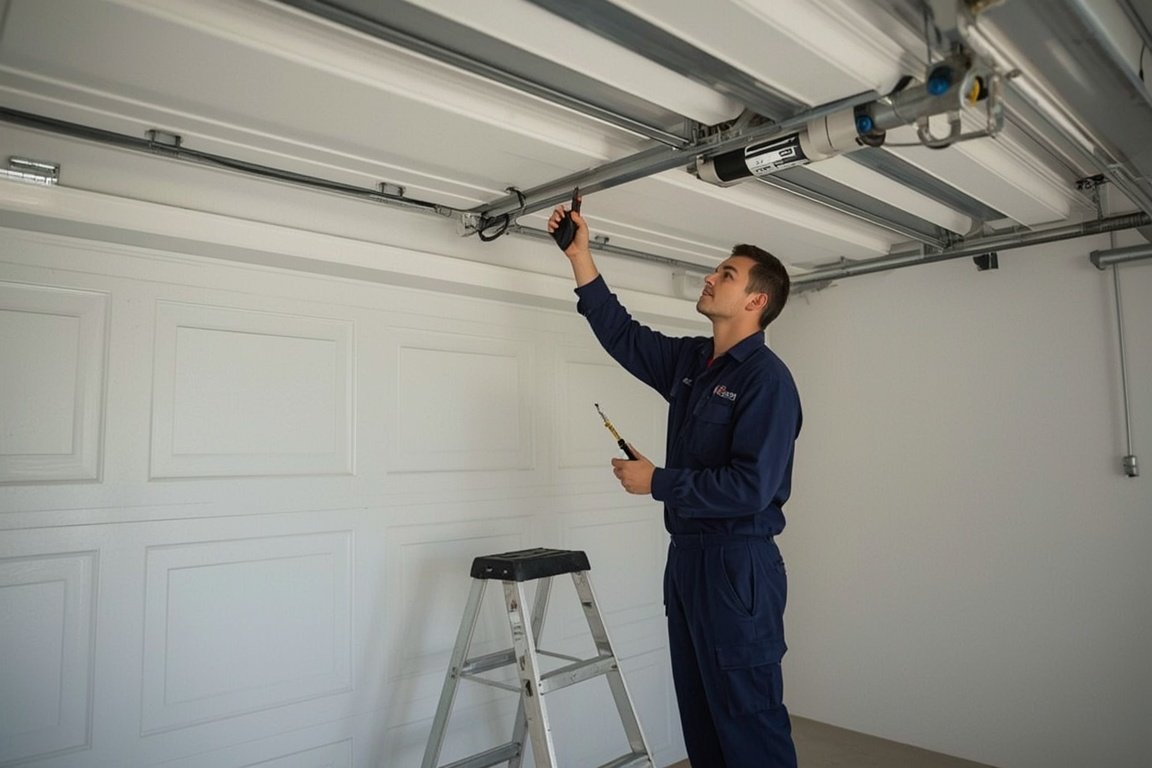
- Installation Quality: Misaligned tracks, loose fasteners, or insufficient anchoring reduce wind resistance. Proper installation is critical.
- Wind Zone Location: Doors in coastal or high-wind areas must meet stricter standards.
- Maintenance: Regular inspection of panels, tracks, and locks ensures continued resistance over time.
6. Design Considerations for Wind-Resistant Doors
When selecting overhead doors for areas exposed to high winds, designers and builders must account for multiple factors:
- Door Type Selection: Sectional doors may be preferred for areas with extreme wind exposure. External roller doors can be upgraded with reinforced slats and wind locks.
- Material Choice: Galvanized steel, high-strength aluminum, or insulated panels improve stiffness and prevent buckling.
- Track and Guide Reinforcement: Heavy-duty tracks and reinforced guides help maintain door alignment.
- Wind Lock Systems: For roller doors, wind locks at intervals along the curtain prevent lateral movement under high wind.
- Sealing and Weatherstrips: Prevent wind infiltration and reduce pressure differentials across the door surface.
- Compliance with Standards: Ensure doors are certified according to relevant wind load standards for the specific location.
7. Advantages of Wind-Resistant Sectional and Roller Doors
Sectional Doors
- Stronger resistance to direct wind loads due to segmented panels.
- Better insulation properties reduce energy loss.
- Less exposure to outside elements when installed inside the building line.
External Roller Doors
- Space-saving design suitable for industrial settings.
- Can be reinforced to achieve high wind resistance with proper modifications.
- Easier to operate in constrained ceiling spaces.
8. Case Studies and Applications
- Industrial Warehouses: Sectional doors are preferred in cyclone-prone areas due to stronger panel connections and internal installation.
- Commercial Garages: External roller doors with reinforced slats and wind locks are used successfully in urban areas.
- Residential Buildings: Sectional insulated doors provide both wind resistance and thermal efficiency.
9. Maintenance Tips for Wind-Resistant Doors
- Inspect tracks and guides for alignment and wear.
- Check hinges, fasteners, and wind locks regularly.
- Lubricate moving parts to prevent operational issues.
- Replace damaged panels or slats immediately.
- Ensure seals and weatherstrips remain intact.
10. Conclusion
Wind resistance is a critical factor in the design, selection, and maintenance of sectional and external overhead roller doors. Sectional doors, with their hinged panels and internal installation, offer superior resistance to high wind pressures. External roller doors, while more exposed, can achieve excellent performance with reinforced slats, wind locks, and quality installation.
Understanding the structural differences, material properties, and environmental factors is essential for selecting doors that not only provide security and convenience but also withstand the challenges posed by wind. Compliance with relevant standards, proper installation, and regular maintenance further ensure that overhead doors remain functional and safe in all conditions.
In summary, wind-resistant doors are not just about materials and design - they are about ensuring safety, durability, and reliability in the face of one of nature's most powerful forces. For builders, architects, and property owners, investing in wind-resistant sectional and external roller doors is a proactive step toward long-term protection and operational efficiency.
Skip the YouTube rabbit hole - we'll have a tech at your door same day across Broward, Dade and Palm Beach.